
.png)
PCOS Weight Loss: Evidence-Based Telehealth Options
Struggling with PCOS weight loss in Singapore? Learn how GLP-1 medications target insulin resistance and hormonal weight gain. Doctor-led treatment from $350/mo.

A growing recognition of PCOS and weight
Prescriptions for GLP-1 medications among women with PCOS have increased more than sevenfold between 2021 and 2025, according to data from Truveta Research. This shift reflects what many women already know firsthand: PCOS weight loss isn't a matter of willpower. It's a metabolic and hormonal challenge that standard diets were never designed to solve.
Polycystic ovary syndrome affects an estimated 8% to 13% of women of reproductive age worldwide. In Singapore, where busy lifestyles leave little room for complex diet regimes and multiple clinic visits, PCOS weight loss treatment through telehealth is giving women a realistic path forward. If you've been told to "just eat less and exercise more" while dealing with insulin resistance, androgen excess, and relentless cravings, you are not alone.
This article covers why PCOS makes weight loss so difficult, how GLP-1 medications address the underlying biology, what the clinical evidence says, and how telehealth options in Singapore can help you take the next step.
Why PCOS makes weight loss so hard
If you've tried diet after diet without lasting results, it helps to understand what's actually happening in your body. PCOS disrupts several systems that directly control weight, and working against all of them at once makes conventional dieting feel impossible.
Insulin resistance drives fat storage
Up to 70% to 80% of women with PCOS have some degree of insulin resistance, even those at a normal weight. When your cells don't respond well to insulin, your body produces more of it to compensate. High insulin levels tell your body to store fat, particularly around the abdomen. They also make it harder to break down stored fat for energy.
This creates a frustrating cycle. You eat the same amount as someone without PCOS, but your body processes those calories differently. The excess insulin also stimulates your ovaries to produce more androgens (male hormones), which feeds back into the weight problem.
Androgen excess changes where fat accumulates
Elevated androgens, particularly testosterone, shift fat distribution towards the abdomen. This visceral fat is metabolically active and promotes further insulin resistance, creating a self-reinforcing loop. Higher androgen levels also contribute to symptoms like acne, excess hair growth, and irregular periods.
Chronic low-grade inflammation
Women with PCOS often have elevated inflammatory markers. This inflammation can worsen insulin resistance and make the hypothalamus (the brain's appetite control centre) less responsive to satiety signals. The result is increased hunger and a harder time feeling full after meals.
The "food noise" connection
Many women with PCOS describe constant mental chatter about food, well beyond normal hunger. This is partly driven by the hormonal disruption described above. When insulin signalling is off and inflammation affects appetite regulation, your brain genuinely receives louder and more persistent hunger signals.
It's not a lack of discipline. It's biology.
Dealing with PCOS-related weight challenges? Our doctors understand hormonal weight gain.
Check your eligibility in 2 minutes.
Why traditional diets often fail for PCOS
You've probably tried several approaches already. Calorie counting, keto, intermittent fasting, meal replacement shakes. These can work for people without hormonal imbalances, but for women with PCOS, the odds are stacked differently.
Calorie restriction worsens the hormonal picture
Severe calorie restriction can increase cortisol (stress hormone) levels, which worsens insulin resistance. It can also lower thyroid function, slowing metabolism further. For someone already dealing with PCOS-related metabolic dysfunction, aggressive dieting often backfires within weeks or months.
Exercise helps but cannot overcome the metabolic gap
Regular physical activity improves insulin sensitivity and is a genuinely important part of PCOS management. But exercise alone produces modest weight loss in most studies, typically 2% to 5% of body weight. When your body is actively fighting weight loss through insulin resistance and hormonal imbalance, exercise often isn't enough on its own.
The yo-yo cycle erodes confidence
Each failed diet attempt chips away at your belief that change is possible. Many women with PCOS have lost weight before, sometimes significant amounts, only to regain it all and more. This isn't a personal failure. It reflects the biology of a condition where the metabolic deck is stacked against conventional approaches.
Research consistently shows that lifestyle modification alone produces modest results for women with PCOS. A 5% to 10% weight loss can improve symptoms meaningfully, but achieving and maintaining even that can be extremely difficult without addressing the underlying hormonal drivers.
How GLP-1 medications address PCOS weight gain
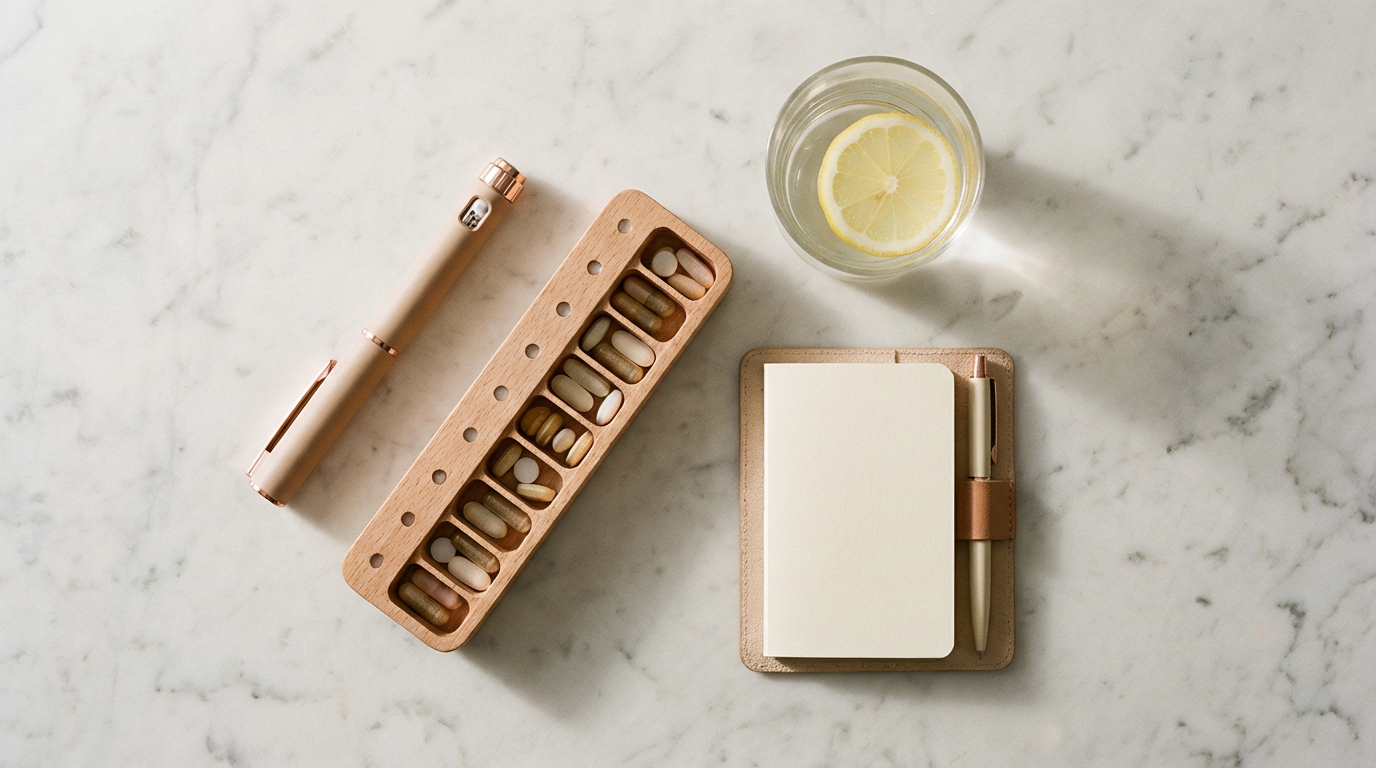
GLP-1 (glucagon-like peptide-1) medications work by mimicking a natural hormone that regulates appetite and blood sugar. For women with PCOS, they target several of the root causes described above, not just hunger.
Reducing insulin resistance
GLP-1 medications enhance glucose-dependent insulin secretion and suppress glucagon. This improves how your body processes blood sugar, directly addressing the insulin resistance at the heart of PCOS-related weight gain. Better insulin regulation means less signal for your body to store fat, and less stimulation of excess androgen production.
Quieting food noise
These medications act on GLP-1 receptors in the hypothalamus, activating satiety pathways (POMC/CART neurons) and inhibiting hunger pathways (NPY/AgRP neurons). They also slow gastric emptying, helping you feel full longer after meals. For women with PCOS who experience relentless cravings, this effect can be genuinely life-changing.
Addressing inflammation
Emerging research suggests GLP-1 medications may have anti-inflammatory effects, which could provide additional benefit for women with PCOS-related chronic inflammation.
Available medication options
At Trimly, doctors prescribe both oral and injectable GLP-1 medications depending on your needs:
- Injectable options (such as Wegovy or Mounjaro) are taken weekly. In the STEP 1 trial, semaglutide (Wegovy) produced 14.9% mean weight loss over 68 weeks. In the SURMOUNT-1 trial, tirzepatide (Mounjaro) produced 15.0% to 20.9% weight loss at 72 weeks depending on dose.
- Oral options (such as Rybelsus) are taken daily. The current 14 mg dose produces more modest weight loss of approximately 3% to 5%, though newer higher-dose oral formulations (25 to 50 mg) show results approaching injectable efficacy at 13.6% to 15.1%.
Here's how the main options compare:
| Medication | Format | Weight Loss (Trials) | How Often | Best For |
|---|---|---|---|---|
| Wegovy (semaglutide) | Weekly injection | 14.9% in 68 weeks (STEP 1) | Once weekly | Proven track record, strong insulin benefits |
| Mounjaro (tirzepatide) | Weekly injection | 15.0-20.9% in 72 weeks (SURMOUNT-1) | Once weekly | Higher weight loss potential, dual-action |
| Rybelsus (semaglutide) | Daily tablet | 3-5% at 14 mg dose | Daily | Patients who prefer oral medication |
Your doctor will recommend the best option based on your health profile, preferences, and goals. If you're uncomfortable with injections, oral treatment is a real option. You can read more about oral vs injectable GLP-1 formats and their respective pros and cons.
Wondering if GLP-1 treatment could help with your PCOS symptoms?
Book ConsultationWhat the clinical evidence says about GLP-1 and PCOS
While the large GLP-1 trials (STEP, SURMOUNT) were not PCOS-specific, a growing body of research now focuses on GLP-1 outcomes in women with polycystic ovary syndrome.
Weight loss results in PCOS populations
A large real-world analysis found that women with PCOS taking GLP-1 medications lost a median of 11.5% of their body weight over one year, compared to just 1.9% for those on metformin. Over half (55.7%) of GLP-1 patients achieved at least 10% weight loss, versus only 13.7% on metformin.
A 2025 study presented at ObesityWeek examined over 4,000 women with PCOS on tirzepatide. The results were striking: mean weight loss of 18.81% at 10 months, with 96.6% losing at least 5% of their body weight and 90.1% losing at least 10%.
Beyond the scale: metabolic and reproductive improvements
A 2024 meta-analysis in the Journal of Diabetes and its Complications found that GLP-1 medications in women with PCOS produced:
- Significant reductions in BMI (mean decrease of 2.42 points)
- Reduced waist circumference (mean decrease of 5.16 cm)
- Improvements in hyperinsulinism and hyperandrogenism
- Normalised total testosterone levels
These changes matter because excess androgens drive many of the most frustrating PCOS symptoms, including irregular periods, acne, and excess hair growth. By reducing weight and improving insulin sensitivity, GLP-1 medications can help restore hormonal balance.
Menstrual regularity and ovulation
Weight loss of 5% to 10% in women with PCOS has consistently been linked to improved menstrual regularity and restored ovulation. In one study examining tirzepatide in PCOS, irregular menstrual cycles decreased from 85.7% to 32.1% after treatment. This aligns with research showing that even modest weight reduction can meaningfully improve reproductive outcomes.
For a broader look at how these medications work long term, see our guide on GLP-1 for long-term weight loss.
PCOS, fertility, and GLP-1: what you need to know
If you are thinking about pregnancy, this is an important topic to discuss with your doctor. The relationship between GLP-1 medications, PCOS, and fertility has several dimensions.
Weight loss can improve fertility
For women with PCOS, losing weight often restores ovulation and improves the chances of natural conception. The hormonal improvements seen with GLP-1 treatment, including lower androgens and better insulin sensitivity, support this. Some researchers have noted increased pregnancy rates among women who lost weight on GLP-1 medications.
You must stop GLP-1 medications before trying to conceive
Semaglutide and tirzepatide are contraindicated during pregnancy. The manufacturers recommend stopping semaglutide at least two months before trying to conceive, to allow the medication to clear fully from your body. If you discover you are pregnant while on a GLP-1 medication, stop it immediately and contact your doctor.
Animal studies have shown potential risks during pregnancy. There isn't enough human data to confirm safety. Your doctor can help you plan a safe transition off the medication before you start trying for a baby.
Contraception considerations
Because GLP-1 medications slow gastric emptying, some experts have raised the question of whether oral contraceptive absorption could be affected. If you rely on the pill, discuss this with your doctor. Non-oral contraceptive methods (IUDs, implants, patches) are not affected.
PCOS weight loss and mental health
The emotional toll of PCOS is real and often underestimated, even by doctors.
The weight-mood connection
Women with PCOS have significantly higher rates of anxiety and depression compared to women without the condition. The hormonal imbalances, frustration with weight, body image concerns, and the social stigma of visible symptoms like acne and excess hair growth all contribute.
Being repeatedly told to "just lose weight" by healthcare providers, without acknowledgement of how hard that is with PCOS, can feel dismissive. Many women describe feeling unheard, blamed, or ashamed. If that has been your experience, it was not fair and it was not accurate.
How treatment can help
When GLP-1 medications reduce food noise and hunger, many patients report a sense of mental relief that goes beyond the numbers on the scale. The constant preoccupation with food fades. Energy improves as weight decreases. Confidence starts to rebuild.
This doesn't mean medication replaces mental health support. If you are dealing with depression or anxiety alongside PCOS, working with a mental health professional can make a meaningful difference. But addressing the biological drivers of weight gain can remove one of the heaviest burdens.
PCOS affects more than just your weight. Our doctors take a whole-person approach to treatment.
Start your consultation today.
PCOS weight loss treatment in Singapore: your options through telehealth

For women in Singapore, telehealth has made PCOS weight loss treatment more accessible than ever. No more taking half a day off work for a clinic visit, no more awkward waiting rooms, no more repeating your story to a new doctor each time.
How Trimly works for PCOS patients
Trimly is an MOH-licensed telehealth clinic focused specifically on weight loss treatment. The process is straightforward:
- Complete an online questionnaire (about 5 minutes) so your doctor has your health background
- Video consultation with a licensed doctor who reviews your situation and discusses treatment options
- Personalised treatment plan with the medication best suited to your needs
- Medication delivered to your door with ongoing doctor support via WhatsApp
Trimly's eligibility criteria for GLP-1 treatment include women with a BMI of 24 or above with weight-related conditions like PCOS, or a BMI of 27.5 or above without other conditions. For a woman who is 160 cm tall, a BMI of 24 is around 61 kg and a BMI of 27.5 is around 70 kg.
Pricing and what is included
Plans start from $350 per month and go up to $650 per month depending on medication type and dosage. This is all-in pricing that covers:
- Doctor consultations (video)
- GLP-1 medication (oral or injectable)
- Free home delivery
- Unlimited follow-up consultations
- Ongoing doctor support via WhatsApp
There are no hidden fees. You can learn more about what doctors check before prescribing GLP-1 to understand the assessment process.
Why telehealth works well for PCOS
PCOS is a chronic condition that benefits from ongoing monitoring and dose adjustments. Telehealth makes this practical. You can check in with your doctor regularly without the friction of scheduling physical appointments. For busy professionals and mothers in Singapore, this convenience is often the difference between sticking with treatment and dropping off.
Research supports this approach. Patients who engage regularly with their treatment team, through weekly weight tracking and monthly check-ins, see better outcomes with remote monitoring.
Lifestyle strategies that support GLP-1 treatment for PCOS
Medication works best when paired with sustainable lifestyle changes. You don't need to overhaul your entire life. Small, consistent adjustments make a real difference.
Nutrition for PCOS
Focus on foods that help stabilise blood sugar and reduce inflammation:
- Low-glycaemic-index carbohydrates like brown rice, wholemeal bread, and sweet potatoes
- Lean protein at every meal (chicken, fish, tofu, eggs) to maintain muscle mass and support satiety
- Healthy fats from nuts, avocado, olive oil, and fatty fish
- High-fibre foods (aim for 25 g daily) to support gut health and blood sugar regulation
- Anti-inflammatory foods like vegetables, berries, turmeric, and green tea
You don't need to follow a strict diet plan. The goal is consistent, balanced eating. For more detailed guidance, read about nutrition support for GLP-1 users.
Exercise for insulin sensitivity
Aim for 150 minutes of moderate activity per week. A mix of:
- Resistance training (2 to 3 times weekly) to build muscle and improve insulin sensitivity
- Walking (daily, even 20 to 30 minutes) for steady calorie burn and stress reduction
- Activities you enjoy because consistency matters more than intensity
Stress management and sleep
Cortisol worsens insulin resistance. Aim for 7 to 9 hours of sleep per night and consider practices like yoga, meditation, or simple breathing exercises. In Singapore's fast-paced environment, even 10 minutes of daily mindfulness can help.
For more on building sustainable habits with GLP-1 treatment, see our dedicated guide.
Frequently asked questions about PCOS weight loss
Can GLP-1 medications help with PCOS symptoms beyond weight loss?
Yes. Clinical research shows that GLP-1 medications can reduce androgen levels, improve insulin sensitivity, and restore menstrual regularity in women with PCOS. A 2024 meta-analysis found significant reductions in total testosterone and waist circumference. Weight loss of 5% to 10% has been consistently linked to improvements in acne, excess hair growth, and ovulation. These benefits come from addressing the metabolic root causes of PCOS, not just the weight.
How much weight can I expect to lose with GLP-1 treatment?
Results vary by individual, but real-world data shows women with PCOS losing a median of 11.5% of body weight over one year on GLP-1 medications. In the STEP 1 trial, semaglutide produced 14.9% mean weight loss over 68 weeks. Studies on tirzepatide in women with PCOS have shown even higher figures. Your doctor will set realistic expectations based on your starting point, medication choice, and overall health.
Is GLP-1 treatment safe if I want to have children in the future?
GLP-1 medications are not safe during pregnancy and must be stopped before trying to conceive. Manufacturers recommend discontinuing semaglutide at least two months before attempting conception. The good news is that weight loss from GLP-1 treatment can actually improve fertility by restoring ovulation and improving hormonal balance. Your doctor will help you plan the right timing if pregnancy is part of your future plans.
Do I need a PCOS diagnosis to get GLP-1 treatment?
Not necessarily. Trimly's eligibility is based on BMI thresholds: BMI of 24 or above with weight-related conditions (including PCOS), or BMI of 27.5 or above without other conditions. If you suspect you have PCOS but have not been formally diagnosed, your doctor can discuss this during the consultation and factor it into your treatment plan.
Will I regain weight if I stop taking GLP-1 medication?
Weight regain is possible if you stop treatment without having built sustainable habits. That is why Trimly's approach includes ongoing support and guidance on maintaining weight after GLP-1 treatment. The lifestyle changes you build during treatment, better eating patterns, regular movement, improved relationship with food, help protect your results long term.
Taking the next step with PCOS weight loss
PCOS weight loss is genuinely difficult. Not because of anything you have done wrong, but because of how the condition affects your metabolism, hormones, and appetite at a biological level. Recognising this is the first step toward finding an approach that actually works with your body instead of against it.
Here is what to take away:
- PCOS creates a metabolic environment (insulin resistance, androgen excess, inflammation) that makes conventional dieting unreliable
- GLP-1 medications address the root hormonal and metabolic drivers, with clinical evidence showing 11% to 19% weight loss in women with PCOS
- Beyond weight, treatment can improve insulin sensitivity, androgen levels, menstrual regularity, and mental wellbeing
- Telehealth makes it practical to access doctor-led treatment from home in Singapore, starting from $350 per month
If PCOS has made weight loss feel impossible, it doesn't have to stay that way. The science has caught up with what you have been experiencing, and effective treatment is more accessible than it has ever been.
Ready to explore GLP-1 treatment for PCOS-related weight gain?
Book Consultation

MOH-approved clinic specialised in obesity and weight management
HCSA License:
R/25M0505/MDS/001/252
R/25M0505/MDS/001/252
*Any person who needs any essential life-saving measure should not seek to receive such measure by Astro Health (Trimly)’s teleconsultation services.
Astro Health (Trimly) is owned and operated by Amped Lab Pte Ltd. It is a licensed outpatient medical services provider under the Singapore Healthcare Services Act.
