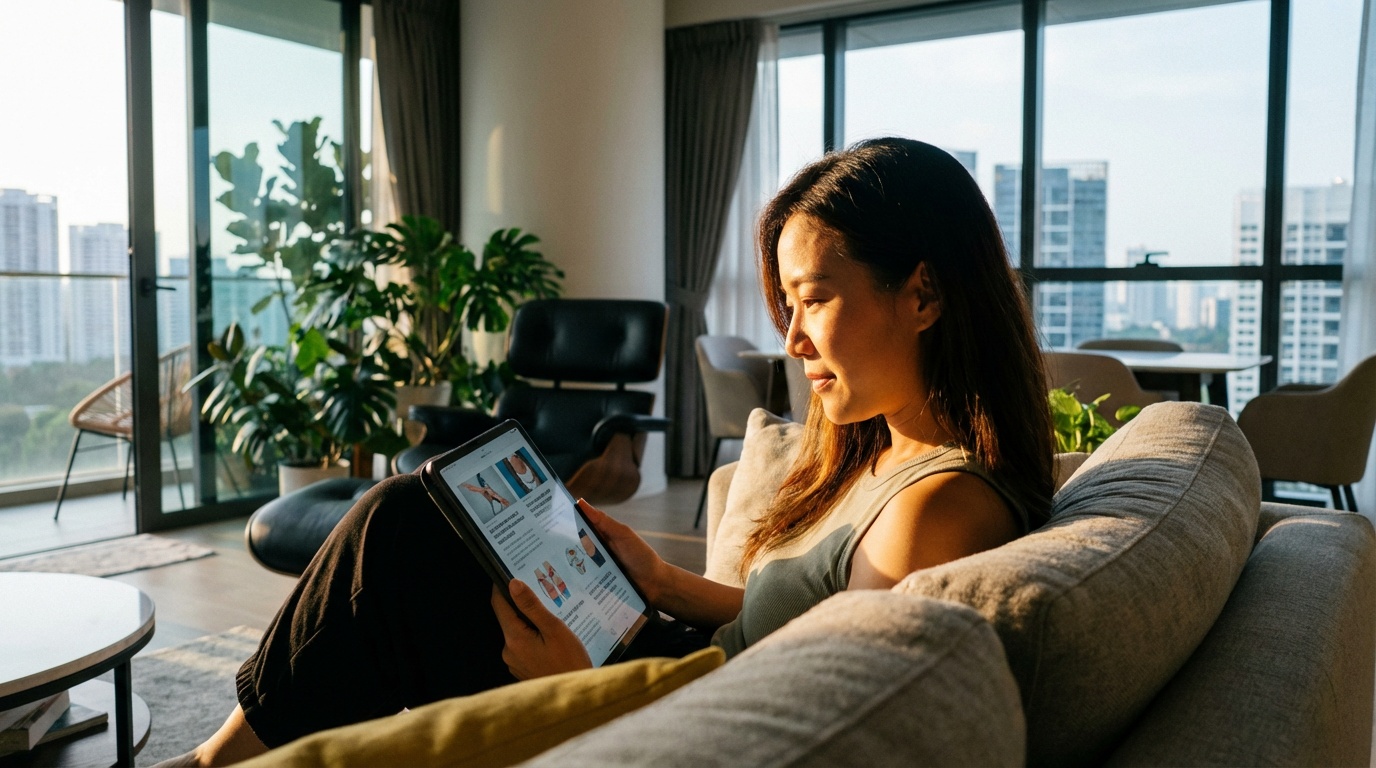
.png)
Tips for Maintaining Weight After GLP-1 Treatment

You step on the scale one morning and see the number you have been working towards for months. Your clothes fit the way you want them to. The food noise has gone quiet. Your GLP-1 medication has done exactly what it was supposed to do. And then the thought creeps in: what happens when I stop?
You are not alone in that fear. Maintaining weight after GLP-1 treatment is the question nearly every patient asks eventually, and it deserves a straight answer grounded in science rather than vague reassurance. The reality is that weight regain after stopping semaglutide or other GLP-1 medications is common, but it is not inevitable. What you do during and after treatment matters more than most people realise.
In this article, we will walk through why weight regain happens, what the clinical trials actually show, and the specific nutrition, exercise, mindset, and medical strategies that give you the best chance of keeping weight off after Wegovy, Ozempic, or other GLP-1 treatment. Whether you are considering tapering off or simply planning ahead, this guide covers what you need to know for sustainable weight loss.
Why weight regain happens after GLP-1 (the science)
Understanding why weight regain after Ozempic or other GLP-1 medications occurs is the first step towards preventing it. It is not about willpower. It is biology.
When you lose a significant amount of weight, your body interprets that loss as a threat. Several biological defence mechanisms kick in:
- Metabolic adaptation: Your resting metabolic rate drops. A body that once burned 1,800 calories at rest might now burn 1,500. This means the same eating habits that maintained your lower weight during treatment may produce a calorie surplus after stopping.
- Ghrelin rebound: Ghrelin, your hunger hormone, surges after weight loss. Without GLP-1 medication suppressing these signals, appetite can return with a vengeance, and the food noise comes back louder than before.
- Reduced leptin: Leptin, the hormone that tells your brain you are full, decreases in proportion to fat loss. Lower leptin means weaker satiety signals, which makes overeating easier without even realising it.
- Neural reward changes: Your brain's reward centres become more responsive to food cues after weight loss, making high-calorie foods feel more appealing than they did at your higher weight.
These are not character flaws. They are evolved survival mechanisms that kept our ancestors alive during famine. The challenge is that in modern Singapore, surrounded by accessible, delicious food at every hawker centre and coffee shop, these mechanisms work against you.
GLP-1 medications override many of these signals while you are taking them. When you stop, the signals return. That is why a thoughtful, proactive plan for weight maintenance after semaglutide is essential, not optional.
What the STEP 4 trial tells us about stopping
The most relevant clinical data on what happens when you stop GLP-1 comes from the STEP 4 trial (Rubino et al., JAMA 2021).
In this study, all participants received semaglutide 2.4 mg weekly for 20 weeks. At that point, they were randomised: half continued semaglutide, and half switched to placebo. The results were clear:
- Continued treatment group: Lost a total of 17.4% of their body weight by week 68
- Placebo switch group: Regained approximately two-thirds of their weight loss by week 68
Meanwhile, the STEP 5 trial (Garvey et al., Nat Med 2022) showed that patients who continued semaglutide for two full years maintained 15.2% weight loss at 104 weeks. Ongoing treatment preserves results.
These numbers are worth taking seriously. They tell us two things: first, that GLP-1 drugs for weight loss are genuinely effective while you are taking them; and second, that stopping without preparation carries real risk. The good news is that the participants who regained weight in STEP 4 did not have personalised tapering plans, structured habit-building programmes, or ongoing medical support. You can do better.
Concerned about weight regain?
Talk to a Trimly doctor about your long-term plan.
Building nutrition habits that stick

The habits you build while on GLP-1 medication are what protect you after stopping Wegovy or any other GLP-1 treatment. The medication gives you a window of reduced appetite and quieter food noise. Use that window to rewire your relationship with food.
Prioritise protein at every meal
Protein is one of the best tools for weight maintenance after semaglutide. It increases satiety, preserves lean muscle mass (which keeps your metabolism higher), and has a higher thermic effect than carbohydrates or fat, meaning your body burns more calories digesting it. Each gram of protein provides just four calories compared with nine calories per gram of fat, so protein-rich meals tend to be more filling per calorie.
Aim for at least 25-30 grams of protein per meal, totalling around 90 grams daily. In Singapore, this is straightforward:
- Breakfast: Two eggs with wholemeal toast, or Greek yoghurt with nuts and seeds
- Lunch: Sliced fish soup, chicken breast from a mixed rice stall (ask for less oil), or a yong tau foo bowl loaded with tofu and fish cake
- Dinner: Steamed fish, tofu dishes, grilled chicken with vegetables, or a lean protein stir-fry
- Snacks: Hard-boiled eggs, edamame, a small handful of almonds, or cottage cheese
When dining out, make protein the centrepiece of your plate rather than an afterthought. At hawker centres, gravitate towards stalls offering steamed or grilled options. At mixed rice stalls, choose two protein dishes and one vegetable rather than the other way round.
Build your plate around fibre
Fibre slows digestion, stabilises blood sugar, and keeps you feeling full for longer. It also feeds your gut microbiome, which plays a role in metabolism and hunger regulation. Aim for 20-26 grams of fibre daily.
Practical swaps that work in Singapore:
- Replace white rice with brown or red rice (or mix half-and-half while you adjust)
- Choose wholegrain noodles or kway teow at hawker stalls
- Swap white bread for wholemeal bread at breakfast
- Eat fruits like papaya, apples, and guava with their skins on
- Add vegetables to your zi char, popiah, or rojak orders
Look for products with the Higher in Wholegrain Healthier Choice Symbol when shopping. Increase your fibre gradually and drink plenty of water alongside it. A sudden jump in fibre without enough hydration can cause bloating, especially if you have recently been on GLP-1 medication, which already slows digestion.
Learn your portions without the medication
While on GLP-1 medication, you naturally eat less because the food noise is quieter. Before you stop, start paying conscious attention to what a satisfying portion looks like for you. Measure out your rice, note how much chicken you need to feel full, and track your meals for a few weeks. This awareness matters most once the medication-assisted appetite suppression ends.
Consider keeping a simple food diary or taking photos of your meals for a week each month. You do not need to count every calorie, but developing a visual sense of what 400-500 calories looks like on a plate gives you a practical reference point. Many patients find that the portions they eat comfortably on GLP-1 medication are actually closer to what their body needs long-term, which makes the transition smoother than they expected.
Exercise strategies that complement GLP-1 weight loss

Exercise alone is rarely enough for significant weight loss, but for maintaining weight after GLP-1, it makes a real difference. Research consistently shows that people who maintain regular physical activity after weight loss regain significantly less weight than those who do not.
Strength training matters most
During weight loss, you lose both fat and muscle. Some studies suggest that up to 25-40% of weight lost can come from lean mass rather than fat alone. Muscle is metabolically active tissue that burns calories even at rest. Losing it lowers your metabolic rate and makes weight regain more likely. Strength training two to three times per week helps preserve and rebuild that muscle, which helps prevent ozempic weight regain.
You do not need a gym membership. Bodyweight exercises at home work well:
- Squats, lunges, and push-ups (start with two to three sets of eight to 12 repetitions)
- Resistance band exercises (affordable and easy to store in an HDB flat)
- Exercises at void decks or sheltered park connectors when the weather is too hot or wet
If you are new to strength training, consider a few sessions with a personal trainer to learn proper form. Many gyms in Singapore offer introductory packages at reasonable rates. The investment pays off in injury prevention and long-term consistency.
Hit your cardio targets
Aim for 150-300 minutes of moderate-intensity aerobic activity per week. In Singapore's climate, consider:
- Morning or evening walks before the heat peaks
- Swimming at public pools (excellent for joint-friendly cardio)
- Mall walking in air-conditioned comfort
- Alighting one MRT stop early and walking the rest
Move throughout the day
Beyond formal exercise, increasing your general movement, sometimes called NEAT (non-exercise activity thermogenesis), adds up over time. Take the stairs instead of the lift, stand while on calls, walk during lunch breaks, and park further away when driving. These small choices collectively help maintain your calorie balance and can account for several hundred extra calories burned per day.
In Singapore, you can build more movement into your commute by alighting one MRT or bus stop early and walking the remainder. Use covered walkways and sheltered connections between buildings and transit hubs to stay comfortable even in the rain or heat.
Want a personalised plan for maintaining your results? Our doctors can help.
Book ConsultationMindset shifts for long-term success
The mental side of sustainable weight loss matters as much as the physical strategies. Many patients feel anxious about stopping GLP-1 medication, and that is completely normal.
Reframe the purpose of medication
GLP-1 medication is not a crutch you need to leave behind. It is a medical tool, no different from blood pressure medication or insulin. Some people benefit from long-term use, and there is no shame in that. Framing GLP-1 weight loss as a temporary fix sets you up for unnecessary guilt if you need to continue.
Expect fluctuations and plan for them
Weight is not static. It fluctuates daily due to water retention, hormonal cycles, meals, and exercise. A gain of one to two kilograms over a week does not mean your strategy has failed. Track trends over weeks and months, not days. If you weigh yourself daily, use a seven-day rolling average rather than fixating on any single reading.
Set an "intervention weight" two to three kilograms above your maintenance weight. If you reach it, that is your signal to revisit your habits or speak with your doctor, not to panic. Having this number defined in advance removes the emotional decision-making from the moment. You will know exactly when to act and what to do, whether that means tightening your nutrition, increasing exercise, or booking a follow-up with your doctor.
Separate identity from the number
Many patients who lose weight on GLP-1 medications begin to identify strongly with their new size. While confidence is great, tying your self-worth entirely to a number on the scale makes any fluctuation feel like a setback. Focus on building habits and health markers (energy levels, blood work, strength gains) alongside your weight.
When to consider staying on medication
There is growing medical consensus that for some patients, GLP-1 medication is most effective as a long-term treatment rather than a short course. This mirrors how we treat other chronic conditions like hypertension or type 2 diabetes.
You and your doctor might consider continued treatment if:
- You have a high starting BMI and significant weight to maintain
- You have weight-related conditions (type 2 diabetes, PCOS, hypertension) that benefit from ongoing medication
- Previous attempts at stopping led to rapid regain
- Your metabolic markers improve significantly on medication and worsen when you stop
The STEP 5 trial data supports this approach: patients who continued semaglutide for 104 weeks maintained 15.2% weight loss, which supports the case for long-term GLP-1 treatment as both safe and effective.
Staying on medication is not failure. It is a medical decision based on your body and your data. Your doctor can help you weigh the benefits against the cost and any side effects you may be experiencing.
Working with your doctor on a tapering plan
If you and your doctor decide that stopping GLP-1 medication is the right move, do not stop abruptly. A structured tapering plan gives your body and habits time to adjust.
What a tapering plan looks like
A typical approach involves:
- Gradual dose reduction: Step down your dose over several weeks or months rather than stopping all at once. For injectable semaglutide, this might mean moving from 2.4 mg to 1.7 mg, then to 1.0 mg, with each step lasting four to eight weeks.
- Intensified habit tracking: Increase your food and exercise tracking during the taper period. This is when awareness matters most.
- Regular weigh-ins and check-ins: Monitor your weight trend closely and have scheduled appointments with your doctor to assess how the taper is going.
- A plan to restart if needed: Agree in advance with your doctor on the criteria that would warrant resuming medication. This removes the guesswork and guilt from the decision.
What to watch for during tapering
During a taper, you may notice:
- Increased appetite and return of food noise (this is the ghrelin rebound)
- Slight weight gain in the first few weeks (some of this is water retention)
- Emotional responses, including anxiety about regain
These are normal. They do not mean the taper is failing. Communicate openly with your doctor throughout the process so adjustments can be made. Many patients find that having regular, scheduled check-ins during this period (fortnightly or monthly) provides both accountability and reassurance. At Trimly, our doctors work with you to set up a monitoring schedule tailored to your tapering timeline.
Singapore-specific considerations
Living in Singapore comes with specific challenges and advantages for maintaining weight after GLP-1 treatment.
Navigate the food environment
Singapore's food culture is hard to beat, but it is calorie-dense. Hawker centre favourites like char kway teow, laksa, and nasi lemak are high in oil and refined carbohydrates. You do not need to avoid them entirely, but being strategic helps:
- Choose steamed, soupy, or grilled dishes when you can (fish soup, yong tau foo, steamboat)
- Ask for less oil and sauce (many stalls will accommodate)
- Portion your rice rather than eating the entire plate
- Save indulgent meals for occasions rather than daily defaults
Use the climate to your advantage
While Singapore's heat can discourage outdoor exercise, it also means year-round access to swimming pools, covered walkways, and air-conditioned gyms. You never have to skip exercise due to winter or bad weather, only heat, and that can be managed by exercising early or late in the day. Many park connectors and neighbourhood trails are shaded and well-maintained, making them suitable for morning walks or jogs before the midday sun.
Access ongoing medical support
Singapore's telehealth infrastructure makes it easy to maintain regular check-ins with your doctor without disrupting your schedule. At Trimly, patients receive unlimited follow-up consultations, which means you can discuss any concerns about weight maintenance, adjust your treatment plan, or restart medication if needed, all via video call from home. You also have access to responsive doctor support via WhatsApp for quick questions between appointments.
Having a doctor who knows your history makes the transition off medication much smoother, especially when you need quick answers about what is normal and what is not.
Ready to build a long-term weight maintenance plan with medical support?
Book ConsultationFrequently asked questions
Will I gain all the weight back after stopping GLP-1?
Not necessarily. The STEP 4 trial showed that participants who stopped semaglutide without a structured plan regained approximately two-thirds of their weight loss. However, those results did not account for personalised tapering, habit-building, or ongoing medical support. With the right strategies in place, you can reduce the amount of weight regained, and some patients maintain their results long-term.
How long should I stay on GLP-1 medication?
There is no single answer. Some patients use GLP-1 medications for six to 12 months and transition off successfully. Others benefit from longer-term treatment, particularly if they have conditions like type 2 diabetes or PCOS. Your doctor can help you decide based on your health profile, goals, and response to treatment.
What is the best exercise for keeping weight off after GLP-1?
A combination of strength training (two to three sessions per week) and moderate cardio (150-300 minutes per week) gives you the best chance of maintaining weight loss. Strength training is especially important because it preserves muscle mass, which keeps your metabolic rate higher.
Can I restart GLP-1 medication if I start gaining weight back?
Yes. Restarting GLP-1 medication is a legitimate medical option, not a failure. If you notice significant ozempic weight regain or weight gain after stopping, speak with your doctor. They can reassess your situation and determine whether resuming treatment makes sense for you.
Does GLP-1 weight loss last?
It can, with the right approach. The medication itself produces significant weight loss while you are taking it. Making it last depends on building sustainable nutrition and exercise habits during treatment, working with your doctor on a tapering plan, and being willing to resume medication if needed. Weight maintenance after semaglutide requires ongoing attention to your habits and, for some patients, continued medical support.

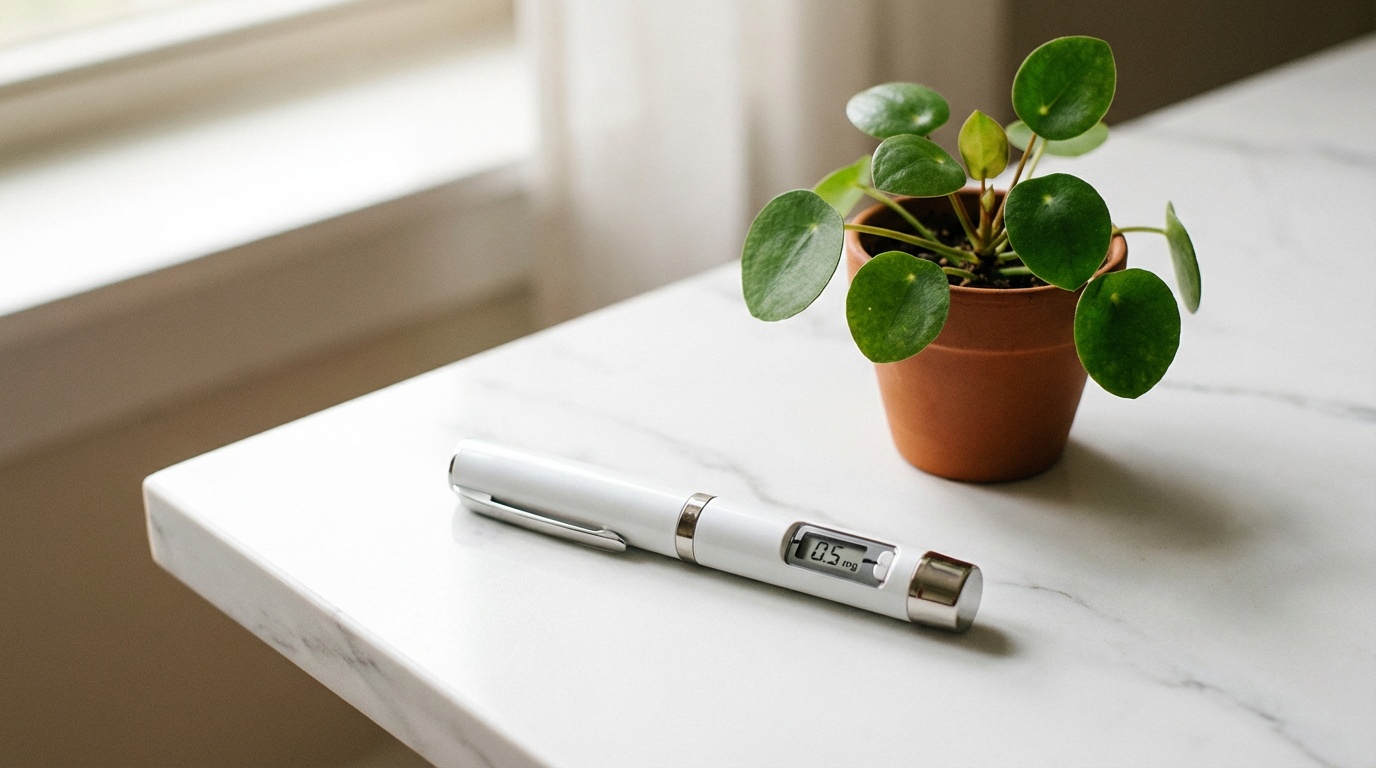
MOH-approved clinic specialised in obesity and weight management
HCSA License:
R/25M0505/MDS/001/252
R/25M0505/MDS/001/252
*Any person who needs any essential life-saving measure should not seek to receive such measure by Astro Health (Trimly)’s teleconsultation services.
Astro Health (Trimly) is owned and operated by Amped Lab Pte Ltd. It is a licensed outpatient medical services provider under the Singapore Healthcare Services Act.
