
.png)
Building Habits While Using GLP-1 Medications
Learn how to build lasting habits while using semaglutide tablets or injection for weight loss. Practical nutrition, exercise, and mindset strategies from Singapore doctors.
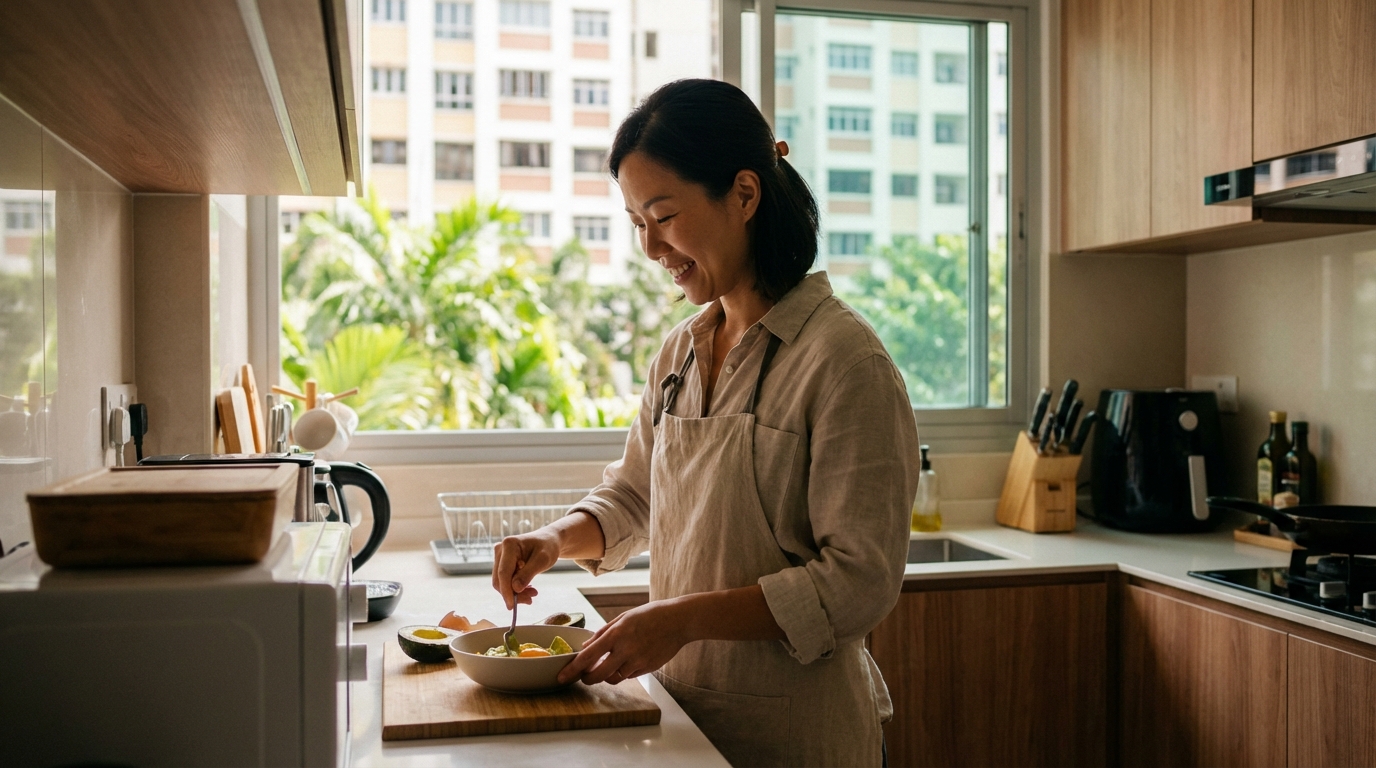
Your first week on semaglutide, something strange happens. You walk past the office pantry at 3pm and barely glance at the biscuit tin. The hawker centre downstairs smells good, but you are not pulled towards it the way you used to be. For the first time in years, food is not running your day.
That quieter appetite is GLP-1 medication doing its job. Whether you take semaglutide tablets each morning or a weekly semaglutide injection, the medication reduces the constant hunger signals that made every diet feel like a fight. But here is what catches many people off guard: medication alone is not the whole answer. The patients who lose weight and keep it off are the ones who use that window of reduced appetite to build habits that stick.
In the STEP 1 trial, participants on semaglutide lost 14.9% of their body weight over 68 weeks. But a follow-up showed that those who stopped treatment without lifestyle changes regained about two-thirds of the weight within a year. The medication works. The habits make it last.
This guide covers the practical habits that matter most while you are on GLP-1 treatment, from what to eat and how to train, to sleep and tracking, with strategies that fit a busy Singapore lifestyle.
Why habits matter more than the medication itself
GLP-1 medications give you a biological advantage. Semaglutide and tirzepatide reduce hunger by mimicking a hormone your body already produces, slowing gastric emptying and quieting the brain's appetite centres. Fewer cravings, less food noise, and an actual chance to change your relationship with food.
But the medication is a tool, not a cure. The STEP 4 trial made this clear: patients who continued semaglutide maintained a 17.4% weight loss at 68 weeks, while those switched to placebo regained weight steadily. The difference was not just the drug. Patients who had built exercise and eating routines during treatment kept more of their progress, even as the medication was withdrawn.
Think of GLP-1 medication as training wheels. While your appetite is suppressed, you get to practise portion control, regular exercise, and mindful eating without your hunger hormones fighting you at every turn. The goal is to make these behaviours automatic before you ever consider tapering.
In Singapore, where food culture is central to daily life, this matters even more. Hawker centres, office makan sessions, and family dinners are not going away. Building habits that work within your actual life, rather than against it, is what separates temporary weight loss from lasting change.
Nutrition habits that work with your reduced appetite
Prioritise protein at every meal
When you lose weight on GLP-1 medications, 25-40% of the loss can come from lean muscle mass rather than fat. Muscle drives your metabolism, and losing too much makes it harder to maintain your weight later.
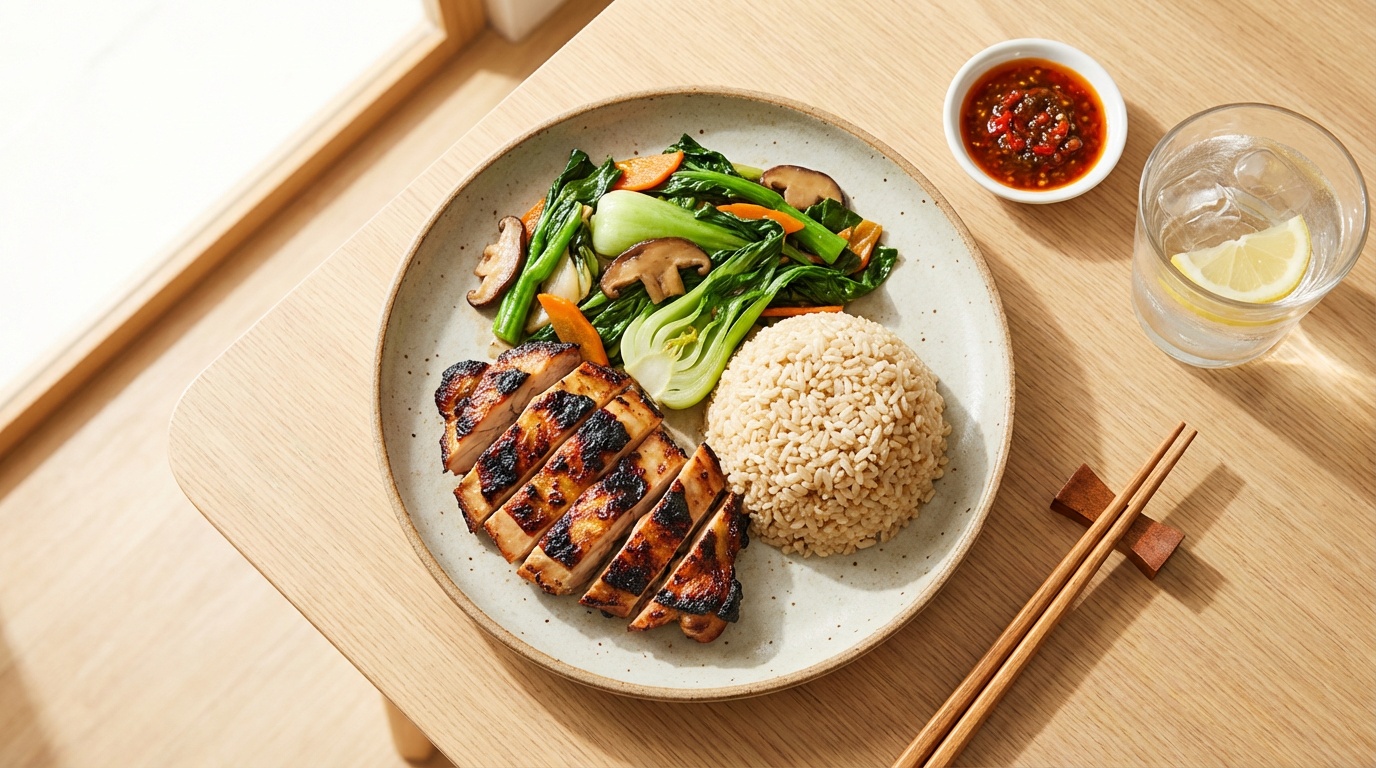
What helps: aim for 80-120g of protein daily, spread across your meals. That might look like eggs at breakfast, chicken rice (more chicken, less rice) at lunch, and fish with vegetables at dinner. If you are struggling to eat enough due to reduced appetite, a protein shake can fill the gap.
Good protein sources that work with Singapore eating habits:
- Chicken breast or thigh (skinless): 30g protein per 100g
- Fish (salmon, threadfin, barramundi): 20-25g per 100g
- Eggs: 6g per egg, easy to add to any meal
- Tofu and tempeh: 10-15g per 100g, good plant-based options
- Greek yoghurt: 10g per 100g, works as a snack
Eat smaller portions, more slowly
Whether you are on semaglutide tablets or a semaglutide injection, the medication slows your stomach emptying. Eating large meals or eating too quickly often triggers nausea, bloating, or discomfort.
Practical adjustments:
- Use a smaller plate. It sounds basic, but it resets your visual expectations for portion size.
- Eat until you are 70-80% full. Your brain registers fullness with a delay. Give it time.
- Chew thoroughly and put your fork down between bites. Slowing down by even five minutes per meal can reduce nausea significantly.
- Separate fluids from food. Drinking water during meals fills your already-slowed stomach. Drink 30 minutes before or after instead.
Build a simple meal structure
Do not try to overhaul your entire diet on day one. Pick one meal to improve first, usually lunch or dinner, and build from there.
A workable template for most meals:
- Half the plate: vegetables or salad
- Quarter of the plate: lean protein
- Quarter of the plate: complex carbohydrates (brown rice, sweet potato, wholegrain noodles)
This is not about perfection. It is about creating a default that becomes automatic. After a few weeks, you will not need to think about it.
Want help building a nutrition plan around your GLP-1 treatment?
Talk to a Trimly doctor.
Exercise habits that protect your muscle mass
Why resistance training matters most
Cardio burns calories, but resistance training preserves the muscle you are at risk of losing during weight loss. A 2023 study in Nature Medicine found that participants who combined semaglutide with structured exercise retained significantly more lean mass than those on medication alone.
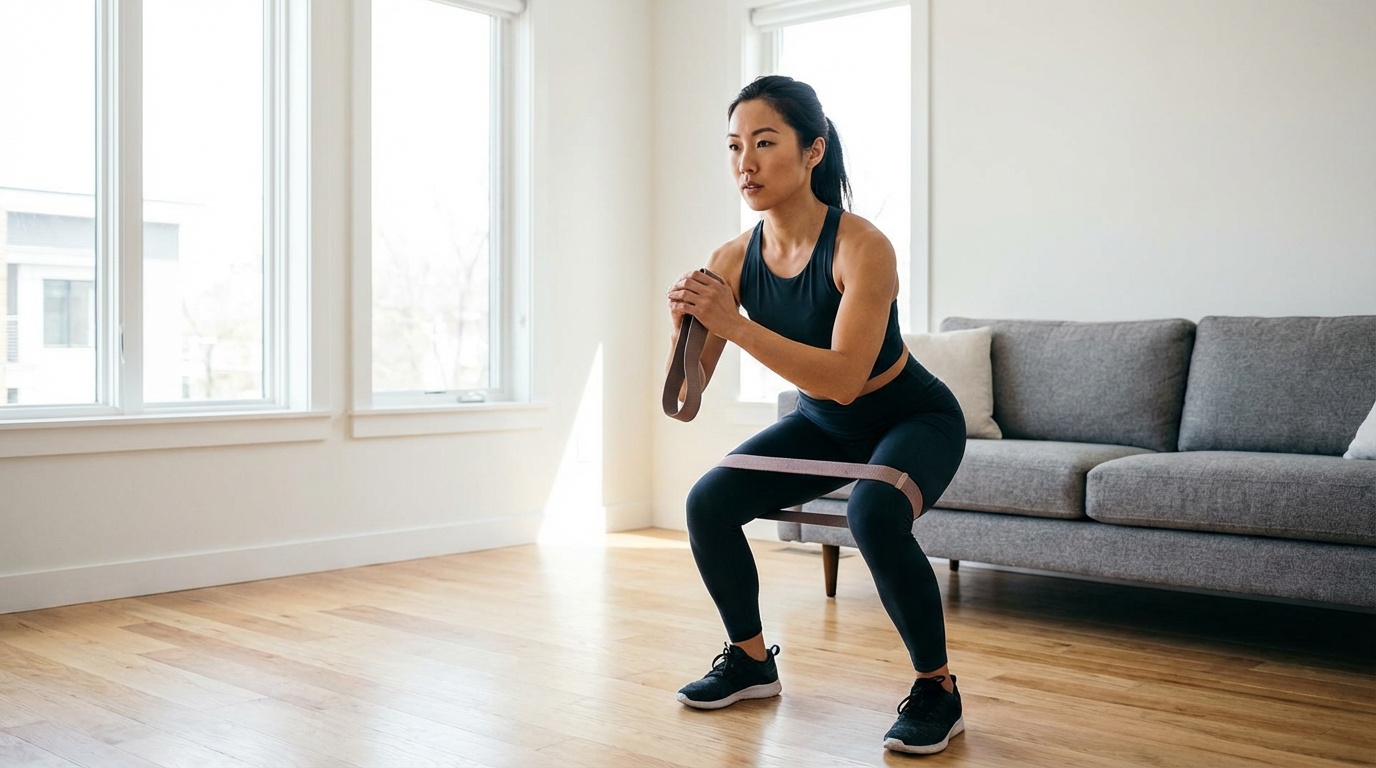
You do not need a gym membership. Bodyweight exercises, resistance bands, or a pair of dumbbells at home are enough to start.
A beginner-friendly weekly plan:
- Monday and Thursday: Upper body (push-ups, dumbbell rows, shoulder presses), 20-30 minutes
- Tuesday and Friday: Lower body (squats, lunges, glute bridges), 20-30 minutes
- Wednesday, Saturday, or Sunday: Walking, swimming, or cycling, 30-45 minutes
Start with what feels manageable. Two sessions per week is better than an ambitious plan you abandon after a fortnight.
Make movement part of your commute
Singapore's urban layout makes walking practical for short distances. If you take the MRT, get off one stop early. Take the stairs instead of the escalator at the station. Walk to the hawker centre instead of ordering delivery.
These micro-habits add up. In a trial comparing liraglutide with placebo, participants who exercised regularly reduced their sedentary time by 41 minutes daily, while the placebo group actually became more sedentary, adding 31 minutes of inactivity. Even 30-40 fewer sedentary minutes per day was linked to better weight maintenance.
Time your exercise around your medication
If you take a weekly semaglutide injection, some people find that nausea or fatigue peaks in the first day or two after their dose. Schedule your more intense workouts for mid-week if you inject on weekends, or adjust based on your own pattern.
For those on daily semaglutide tablets, take the tablet on an empty stomach in the morning, wait at least 30 minutes before eating, and schedule exercise after breakfast when your energy levels are stable.
Sleep and stress: the habits people skip
Why poor sleep undermines your progress
Sleep deprivation increases ghrelin (your hunger hormone) and decreases leptin (your fullness hormone). Even GLP-1 medication cannot fully override the metabolic effects of chronic sleep loss. A study in the Annals of Internal Medicine found that participants sleeping 5.5 hours per night lost 55% less fat than those sleeping 8.5 hours, even on the same calorie intake.
Practical sleep habits:
- Set a consistent bedtime. Your body's circadian rhythm responds to routine, not just total hours.
- Keep your bedroom cool. Singapore's humidity works against sleep quality. Use air conditioning or a fan, and aim for 22-24 degrees Celsius.
- Limit screens 30 minutes before bed. Blue light suppresses melatonin production.
- Avoid eating within 2-3 hours of bedtime. This matters even more on GLP-1 medications, as delayed gastric emptying can cause discomfort if you eat late.
Dealing with emotional eating
Emotional eating is one of the hardest habits to break, and GLP-1 medications do not fully address it. The medication quiets physical hunger, but stress-driven eating is about emotional regulation, not appetite.
Strategies that help:
- Identify your triggers. Keep a brief note on your phone when you eat outside of hunger. Is it boredom? Stress at work? Social pressure?
- Build a replacement behaviour. When the urge hits, try a 5-minute walk, a glass of water, or messaging a friend. The craving usually passes within 10-15 minutes.
- Be honest with your doctor. If emotional eating is a significant pattern, mention it during your consultations. Your treatment plan can be adjusted to address it.
Tracking: what to measure and how often
Weigh yourself weekly, not daily
Daily weighing leads to frustration. Weight fluctuates by 1-2 kg day to day based on water retention, sodium intake, and hormonal changes. Weekly weigh-ins on the same day, at the same time (ideally morning, after using the bathroom), give you a much more accurate picture of your trend.
A UK study of over 126,000 GLP-1 users found that those who logged their weight weekly achieved 22.9% weight loss over 12 months, compared to 17.5% for those with less consistent tracking. The act of tracking itself creates accountability.
Track what matters, not everything
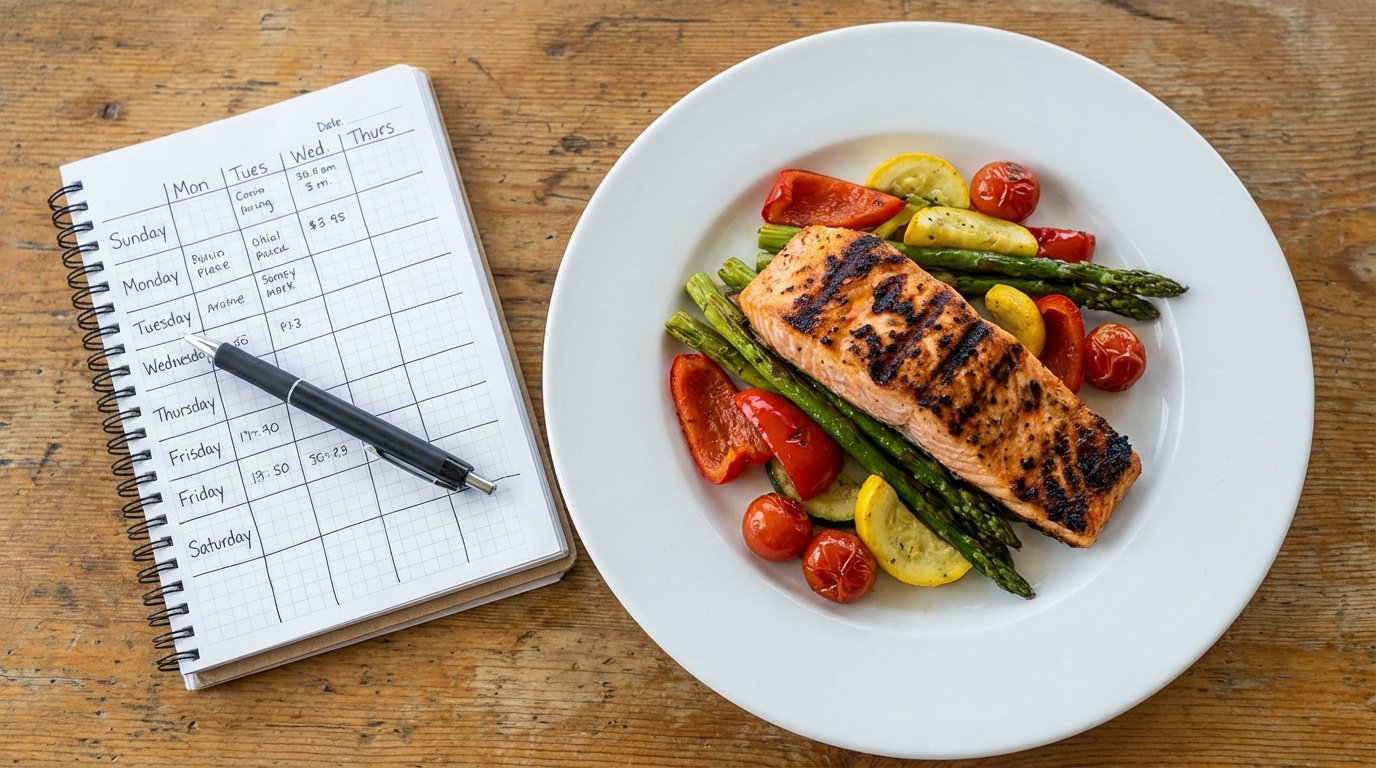
You do not need to count every calorie or log every macro. What helps most is a simple weekly check-in:
- Weight trend (up, down, or stable)
- Exercise sessions completed (target: 3-4 per week)
- Protein intake (roughly hitting 80-120g daily?)
- Sleep quality (getting 7+ hours?)
- Side effects (anything new or worsening?)
Share this with your doctor at your follow-up consultations. It gives them real data to adjust your treatment plan rather than guessing.
How Trimly supports habit building alongside GLP-1 treatment
Building habits is harder alone. Trimly's doctor-led telehealth model supports the full picture: medication, lifestyle guidance, and ongoing accountability.
What this looks like in practice:
- Video consultations with licensed Singapore doctors who create your personalised treatment plan, whether that involves semaglutide tablets, a semaglutide injection, or tirzepatide.
- Unlimited free follow-ups so you can check in when you hit a plateau, experience side effects, or need guidance on adjusting your habits. No extra charge, no appointment limits.
- Medication delivered to your door. No clinic visits, no pharmacy queues. Your treatment fits around your schedule, not the other way around.
- WhatsApp support for quick questions between consultations. If you are unsure whether nausea is normal or need advice on exercise timing around your dose, you get a response from your care team, not a chatbot.
Treatment plans start from $350 per month, covering consultation, medication, delivery, and all follow-ups. Trimly focuses exclusively on GLP-1 weight loss treatment, which means your doctor understands the specific habits, side effects, and milestones that matter for this journey.
Ready to build lasting habits with doctor-led GLP-1 support?
Book ConsultationFrequently asked questions
How long does it take to build lasting habits on GLP-1 medication?
Most research suggests 8-12 weeks of consistent practice before a behaviour becomes automatic. GLP-1 medications help by reducing the hunger and cravings that typically derail new habits. Use the first three months of treatment as your habit-formation window. Focus on one or two changes at a time rather than overhauling everything at once.
Should I change my habits differently for semaglutide tablets versus semaglutide injection?
The core habits are the same regardless of format. The main difference is timing. Semaglutide tablets need to be taken on an empty stomach with a small sip of water, then you wait 30 minutes before eating or drinking. This naturally creates a morning routine. Weekly injections are more flexible in timing but may cause side effects that peak 1-2 days after the dose, so plan lighter meals and gentler exercise on those days.
What happens to my habits if I stop taking GLP-1 medication?
If you have built strong nutrition, exercise, and tracking habits during treatment, you are far more likely to maintain your weight loss. The STEP 1 extension study showed that participants who stopped semaglutide without established lifestyle changes regained about two-thirds of their weight within a year. The habits you build now are your insurance policy for later.
How much protein should I eat while on GLP-1 treatment?
Aim for 80-120g of protein daily, spread across your meals. This helps preserve lean muscle mass during weight loss. Good sources include chicken, fish, eggs, tofu, and Greek yoghurt. If your appetite is very suppressed and you struggle to eat enough, consider a protein shake to fill the gap.
Key takeaways
GLP-1 medications give you a real advantage, but the habits you build during treatment determine whether your results last. Focus on protein intake, resistance training, consistent sleep, and weekly tracking. Use your doctor as a partner in the process. And you do not need to change everything at once. Pick one habit, practise it until it is automatic, then add the next.
Want a personalised plan that combines GLP-1 treatment with habit-building support?
Book Consultation
MOH-approved clinic specialised in obesity and weight management
HCSA License:
R/25M0505/MDS/001/252
R/25M0505/MDS/001/252
*Any person who needs any essential life-saving measure should not seek to receive such measure by Astro Health (Trimly)’s teleconsultation services.
Astro Health (Trimly) is owned and operated by Amped Lab Pte Ltd. It is a licensed outpatient medical services provider under the Singapore Healthcare Services Act.
