
.png)
Checklist: Monitoring GLP-1 Side Effects
Complete checklist for monitoring GLP-1 side effects. Daily, weekly, and monthly checks for Ozempic, Wegovy, and Mounjaro users in Singapore.
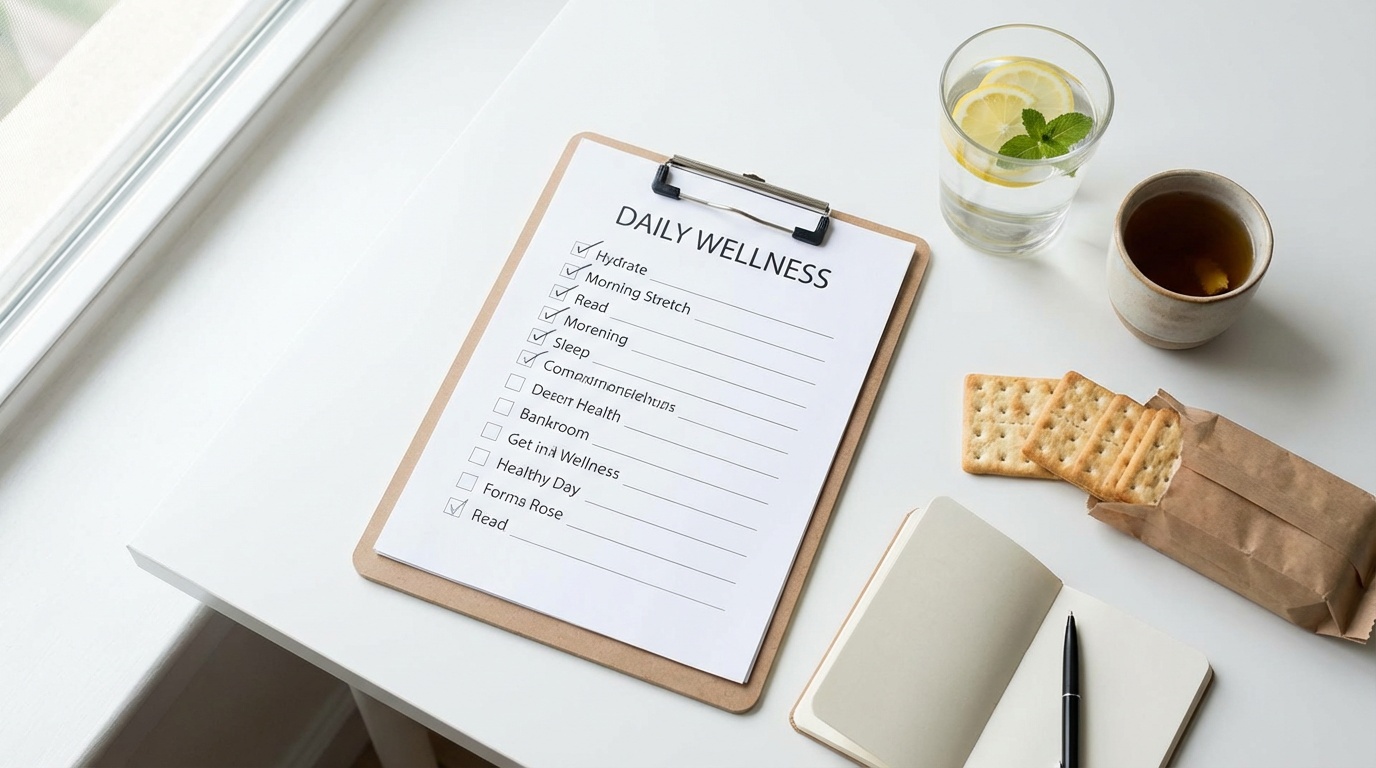
Most people assume GLP-1 side effects are a sign the medication is not working for them. In reality, the most common side effects (nausea, reduced appetite, occasional constipation) are temporary and usually peak during the first few weeks of treatment. In clinical trials for Wegovy, nausea affected 44% of participants initially, but most found it manageable and continued treatment. The vast majority of people tolerate the medication well once they get through the adjustment period.
That said, you need to know what to watch for. Some side effects are normal and manageable. Others require medical attention. This checklist gives you a structured approach to monitoring how you feel on GLP-1 medication, so you can catch problems early and manage the common stuff effectively.
Daily monitoring checklist
The first 4-8 weeks on GLP-1 medication, and the days following each dose increase, are when side effects are most likely. Track these daily during those periods.
Digestive symptoms
These are the most common side effects. They happen because GLP-1 medications slow gastric emptying, which means food sits in your stomach longer than usual.
What to track:
- Nausea (mild, moderate, or severe? Before or after meals?)
- Bloating or abdominal discomfort
- Constipation or diarrhoea
- Heartburn or acid reflux
- Vomiting (note frequency)
What helps:
- Eat smaller meals, 4-5 times per day instead of 3 large meals
- Eat slowly and stop when you feel satisfied, not full
- Avoid high-fat, fried, and very spicy foods (these worsen all GI symptoms)
- Stay upright for 30 minutes after eating
- Ginger tea or ginger candy can ease nausea
- If constipation is persistent, increase water and fibre intake gradually
The pattern to watch for: GI symptoms should gradually improve over 4-6 weeks as your body adjusts. If they are getting worse rather than better, or if you cannot keep food or water down, contact your doctor.
Appetite and eating
GLP-1 medications reduce hunger and slow digestion. This is how they work, not a side effect. But monitor for:
- How much you are eating per day (are you getting enough nutrition?)
- Whether you are meeting your protein targets (at least 1.2g per kg body weight)
- Food aversions (some people develop temporary aversions to certain foods)
If your appetite is so suppressed that you are eating less than 1,000 calories per day consistently, tell your doctor. The medication may need a dose adjustment.
Hydration
GLP-1 medications can reduce your sense of thirst. This makes dehydration a real risk, especially in Singapore's climate.
- Aim for 2-3 litres of fluid per day
- Set reminders if you forget to drink
- Signs of dehydration: dark urine, dry mouth, dizziness, headache
- If you are vomiting or have diarrhoea, increase fluid intake and consider electrolytes
Weekly monitoring checklist
After the initial adjustment period, shift to weekly check-ins.
Weight and measurements
- Weigh yourself at the same time, same conditions, once per week
- Take waist circumference measurements monthly
- Record changes in how your clothes fit (sometimes a better indicator than the scale)
Expect: weight loss of 0.5-1 kg per week on average. The first 2-3 weeks may show more due to water weight. There will be weeks where the number does not move. This is normal.
Energy and mood
- Fatigue (common in the first few weeks, especially if eating significantly less)
- Headaches (often related to dehydration or reduced food intake)
- Dizziness (check if you are eating and drinking enough)
- Any changes in mood or motivation
If fatigue persists beyond the first month, review your calorie and protein intake. You may be under-eating.
Injection site (if using injectable GLP-1)
For Ozempic, Wegovy, or Mounjaro users:
- Check for redness, swelling, bruising, or itching at the injection site
- Rotate injection sites: abdomen, thigh, or upper arm
- Do not inject into the same spot two weeks in a row
- Mild redness or bruising is normal and resolves on its own
Heart rate
Some GLP-1 medications cause a slight increase in resting heart rate (typically 1-4 beats per minute). This is well-documented and not usually a concern, but worth noting. If you notice a sustained increase of more than 10 bpm, mention it at your next follow-up.
Questions about a side effect? Trimly patients get unlimited follow-ups, so you can check with your doctor any time without extra cost.
Learn more about Trimly.
Monthly monitoring checklist
These checks focus on rarer but more serious potential side effects. Most people will never experience them, but knowing the warning signs matters.
Pancreas and gallbladder
GLP-1 medications have a small association with pancreatitis (estimated 0.2-0.5% in clinical trials) and gallbladder issues (more common during rapid weight loss in general, not specific to GLP-1).
Warning signs that need immediate medical attention:
- Severe, persistent abdominal pain that radiates to the back (possible pancreatitis)
- Upper right abdominal pain with nausea, especially after eating fatty foods (possible gallstones)
- Yellowing of skin or eyes, clay-coloured stools (possible bile duct obstruction)
- Fever combined with any of the above
If you experience severe abdominal pain that does not go away, stop the medication and go to the emergency department.
Kidney function
Dehydration from GI side effects (vomiting, diarrhoea) can strain the kidneys. Watch for:
- Significant decrease in urination
- Swelling in legs or ankles
- Persistent nausea with dark or foamy urine
Your doctor should check kidney function through blood tests (creatinine, eGFR) at baseline and periodically during treatment.
Thyroid
GLP-1 medications carry a precautionary warning about thyroid C-cell tumours based on animal studies. The risk in humans has not been confirmed, but it is the reason GLP-1 medications are contraindicated in people with a personal or family history of medullary thyroid carcinoma or MEN2 syndrome.
Monthly self-check:
- Feel your neck for new lumps or swelling
- Note any persistent hoarseness or difficulty swallowing
Hair changes
Some GLP-1 users report hair thinning. In Wegovy trials, 3% of participants experienced this compared to 1% on placebo. This is more likely related to rapid weight loss and reduced calorie intake than to the medication itself. Ensuring adequate protein and micronutrient intake helps. Hair usually recovers once weight stabilises.
When to contact your doctor
Non-urgent (discuss at next follow-up)
- Side effects that are bothersome but manageable
- Hair thinning
- Mild injection site reactions that resolve on their own
- Fatigue that persists beyond the first month
- Questions about dose adjustment timing
Urgent (contact within 24 hours)
- Persistent vomiting (more than 24 hours)
- Significant diarrhoea causing dehydration
- Sustained dizziness or fainting
- Resting heart rate consistently elevated more than 15 bpm above your normal
- Mood changes including new anxiety or depression
Emergency (go to A&E immediately)
- Severe abdominal pain that does not improve (pancreatitis risk)
- Signs of severe allergic reaction: swelling of face/throat, difficulty breathing, widespread rash
- Severe dehydration (confusion, minimal urination, rapid heartbeat)
- Vision changes (sudden blurring or loss of vision in one eye)
- Symptoms of hypoglycaemia that do not respond to sugar intake (if taking insulin or sulfonylureas alongside GLP-1)
Side effects comparison: oral vs injectable GLP-1
| Side effect | Oral (Rybelsus) | Injectable (Ozempic/Wegovy/Mounjaro) |
|---|---|---|
| Nausea | Common (15-20%) | Common (40-44% for Wegovy) |
| Diarrhoea | Less common | More common (30% for Wegovy) |
| Constipation | Similar rates | Similar rates |
| Injection site reactions | N/A | Common but mild (rotate sites) |
| Fasting requirement | Yes (30 min, 120ml water) | No |
| Drug interactions | More significant (affects absorption) | Fewer |
The injectable forms tend to cause more GI side effects initially because they deliver a higher dose. Oral semaglutide (Rybelsus) at 14mg is roughly equivalent to 0.5mg of injectable semaglutide, which is below the therapeutic dose for weight loss.
For a full comparison, see our guide on oral vs injectable GLP-1 options.
How Trimly monitors your treatment
At Trimly, GLP-1 treatment includes unlimited follow-ups at no extra cost. Your doctor monitors:
- Side effect severity and management strategies
- Weight loss progress and dose titration schedule
- Blood test results (baseline and periodic checks for kidney, liver, and metabolic markers)
- Nutrition adequacy and protein intake
- Whether to continue, adjust, or taper the medication
Treatment plans range from $350 to $650 per month, covering consultation, medication, home delivery, and all follow-ups. If side effects are not manageable, your doctor can slow the dose titration, switch between oral and injectable forms, or adjust the treatment plan entirely. Learn about what doctors assess before prescribing GLP-1.
Want doctor-supervised GLP-1 treatment with unlimited follow-ups?
Book ConsultationFrequently asked questions
Are GLP-1 side effects permanent?
No. The most common side effects (nausea, bloating, constipation) are temporary and typically improve within 4-8 weeks as your body adjusts. They tend to reappear briefly when your dose is increased, then settle again. Serious side effects like pancreatitis are rare and resolve when the medication is stopped.
What is the most common side effect of Ozempic in Singapore?
Nausea is the most common side effect, affecting roughly 40-44% of users in clinical trials. In practice, most people find it mild and manageable with dietary adjustments (smaller meals, avoiding fried foods, eating slowly). It is most noticeable in the first 2-4 weeks and during dose escalations.
Should I stop GLP-1 medication if I get side effects?
Not usually. Most side effects are manageable and improve over time. Contact your doctor before stopping, as they may be able to adjust your dose or suggest strategies to reduce symptoms. You should stop immediately and seek emergency care only if you experience severe abdominal pain, signs of a serious allergic reaction, or severe dehydration from persistent vomiting.
How often should I see my doctor while on GLP-1 treatment?
During the dose titration phase (first 3-4 months), follow-ups every 2-4 weeks are recommended. Once you reach your maintenance dose and side effects have stabilised, monthly or bi-monthly check-ins are typical. With Trimly, follow-ups are unlimited and included in your treatment plan, so you can reach out whenever needed.
Key takeaways
GLP-1 side effects are common but mostly manageable and temporary. Track digestive symptoms daily during the first weeks and after dose increases. Shift to weekly and monthly monitoring once you stabilise. Know the difference between normal adjustment symptoms and warning signs that need medical attention. Most people tolerate the medication well after the initial period. If side effects are affecting your quality of life, your doctor can adjust the titration schedule or explore alternative formulations.


MOH-approved clinic specialised in obesity and weight management
HCSA License:
R/25M0505/MDS/001/252
R/25M0505/MDS/001/252
*Any person who needs any essential life-saving measure should not seek to receive such measure by Astro Health (Trimly)’s teleconsultation services.
Astro Health (Trimly) is owned and operated by Amped Lab Pte Ltd. It is a licensed outpatient medical services provider under the Singapore Healthcare Services Act.
